

Yes, you can wear perfume with sensitive skin, provided you choose skin-first formulations and test properly before daily use. The safest immediate step is requesting fragrance samples or a discovery set and running a 48 hour patch test before any full application, so reactions show up on a small patch rather than across your neck and wrists.
TL;DR:
- Most fragrance reactions in sensitive skin are caused by irritant contact dermatitis from alcohol and harsh chemicals, or allergic contact dermatitis after sensitization over time.
- Patch testing each scent for 48 hours and gradually increasing skin contact minimizes the risk of allergic reactions and helps identify safe formulations.
- Oil-based perfumes, low-concentration formats, and products complying with IFRA standards reduce airborne exposure and skin irritation risks.
- Proper storage in cool, dark places prevents perfume oxidation and degradation, which can increase skin reactivity over time.
- Testing multiple samples before buying a full bottle is essential, as ingredient transparency and formulation choices greatly influence tolerance.
Table of Contents
- Why perfumes irritate sensitive skin: irritant versus allergic reactions
- How do you choose a perfume for sensitive skin?
- How do you patch-test and introduce a fragrance safely?
- Which fragrance formats and ingredients suit sensitive skin best?
- Rook’s skin-first approach to hypoallergenic scent
- What are the alternatives if fragrance still triggers reactions?
- How should you store perfume to avoid irritation?
- Our take on skin-first fragrance
- Try Rook’s discovery sets before you commit to a bottle
- Sources
Why perfumes irritate sensitive skin: irritant versus allergic reactions
Two different mechanisms cause most fragrance reactions, and knowing which one you’re dealing with changes how you respond.
Irritant contact dermatitis happens fast. Alcohol, high fragrance concentration, or volatile aroma chemicals strip the skin’s surface, causing redness, stinging, or dryness within minutes to a few hours. It doesn’t require previous exposure. Anyone can develop it if the formula is harsh enough or the skin barrier is already compromised.
Allergic contact dermatitis works differently. It needs sensitisation first, meaning your immune system has to “learn” to react to a specific molecule, which can take repeated exposures over weeks or months. Once sensitised, reactions typically appear 24 to 72 hours after contact rather than immediately, and they tend to be itchier and more persistent than irritant reactions. A peer-reviewed review of fragrance contact allergy confirms patch testing remains the standard way to distinguish and diagnose these mechanisms, because symptoms alone often overlap.
Respiratory symptoms complicate the picture further. Alcohol-based sprays release volatile compounds into the air, and for people with asthma or airway sensitivity, that airborne load can trigger coughing, wheezing, or headaches even without any skin contact at all.
Watch for these signs and what they typically indicate:
- Redness or stinging within minutes — usually irritant contact dermatitis, often from alcohol concentration
- Itching or a rash appearing a day or two later — a classic allergic contact dermatitis pattern
- Coughing, tightness in the chest, or headache — likely a respiratory response to volatile aroma chemicals
- Swelling, blistering, or symptoms spreading beyond the application site — seek medical advice rather than self-managing
Patch testing detects skin allergens, but it doesn’t diagnose respiratory sensitivity on its own. Airway reactions call for a different clinical evaluation, so if fragrance consistently triggers breathing symptoms, that’s a conversation for a GP or allergist rather than trial and error with more perfumes.
How do you choose a perfume for sensitive skin?
Screening a bottle before you buy saves you from wasting money on something you’ll never wear twice. A few label terms and formulation choices matter more than brand reputation or price.
1. Look past “natural” and check for specific claims. Terms like hypoallergenic, dermatologist-tested, allergen-free, and alcohol-free indicate the formula has been deliberately restricted. None of these terms are strictly regulated, but they’re a reasonable signal that a brand has thought about sensitivity rather than chasing maximum projection.
2. Favour oil-based or skin-close concentrations. Oil-based perfumes and lightly diluted eau de toilette formats stay closer to the skin and release fewer airborne particles than heavily concentrated sprays. Guidance aimed at people with asthma or fragrance sensitivity consistently recommends oil-based and low-projection formats for exactly this reason: less airborne volume means less chance of triggering a skin or respiratory reaction.
3. Check ingredient transparency and IFRA compliance. Reputable brands publish ingredient lists or at least state compliance with International Fragrance Association standards. The screening process behind this is more rigorous than most shoppers realise: brands typically start with around 3,000 potential raw fragrance materials, IFRA approves roughly 1,500 of those, and fewer than 500 meet a strict hypoallergenic standard. Reading up on how IFRA regulations work helps explain why some ingredients disappear from reformulated scents without warning.
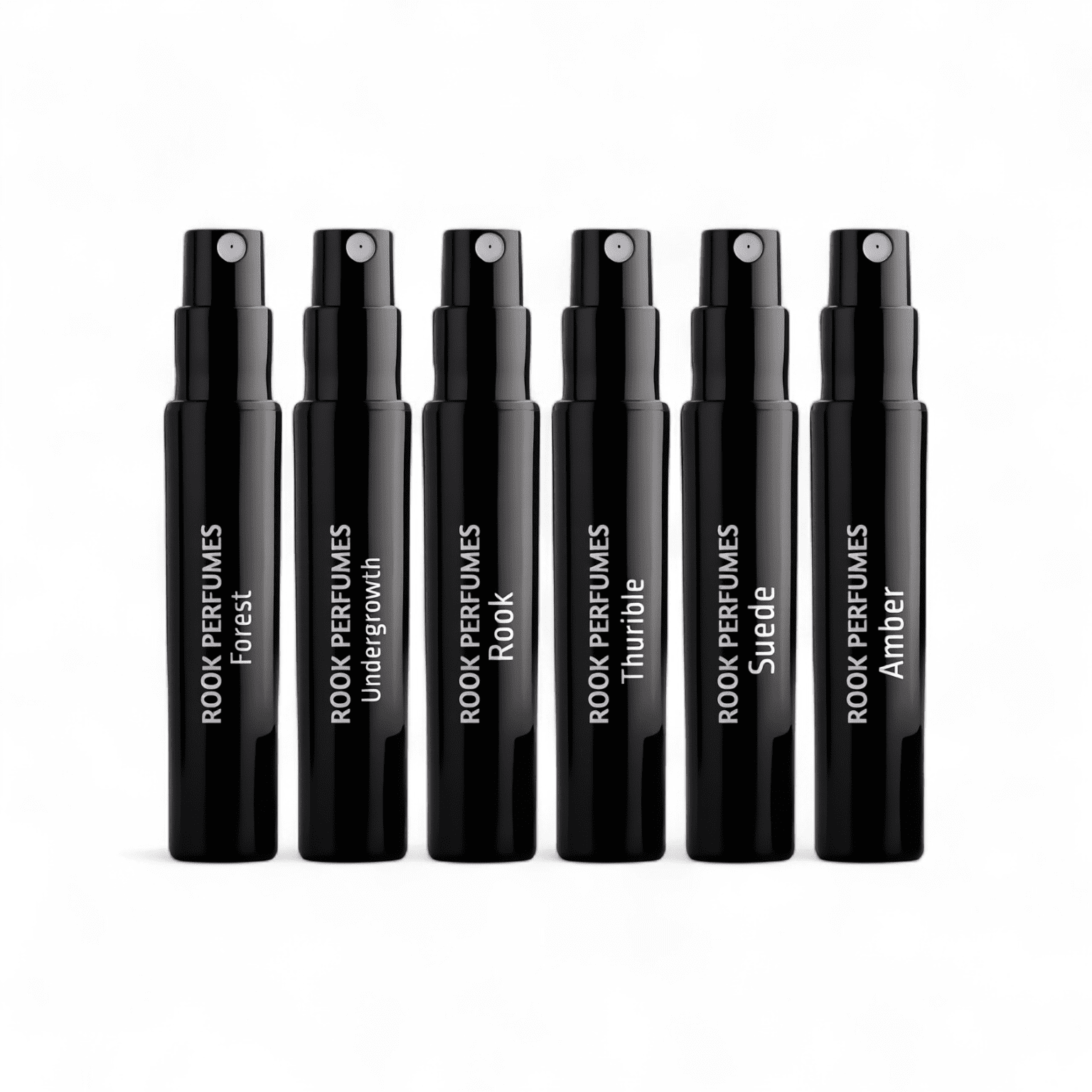
4. Buy samples before you buy bottles. A Discovery Set Sampler lets you test several scents against your own skin chemistry without committing £80 or more upfront. This matters more for sensitive skin than for anyone else, because the same formula can behave completely differently depending on your skin’s pH, hydration, and existing barrier condition.
Pro Tip: Ask the brand directly for a full ingredient breakdown before you buy, even if the product page doesn’t list one. A brand confident in its formulation will usually send it within a day.
Retailers increasingly support this kind of careful shopping too. Large fragrance retailers now curate skin-friendly perfume selections with filters for hypoallergenic or dermatologist-tested products, which makes browsing considerably less of a gamble than it was a decade ago.
How do you patch-test and introduce a fragrance safely?
A proper patch test requires monitoring for around two days and costs you nothing beyond patience. Skipping it is the single most common reason people end up with a rash across their wrist a week after buying a new bottle.
The 48 hour patch test:
- Apply a small amount of the fragrance (from a sample vial, not the retail spray nozzle) to an unbroken patch of skin, ideally the inner forearm or behind the ear.
- Leave it uncovered and avoid washing the area for several days.
- Periodically check for redness, itching, swelling, or warmth, and take photos to remember any mild redness or other signs.
- If nothing appears after 48 hours, the fragrance has cleared the first hurdle. That doesn’t guarantee zero reaction with repeated use, but it rules out an immediate irritant response.
Once a sample passes the patch test, don’t go straight to full daily wear. A staged approach protects you from delayed allergic reactions that only show up after repeated exposure.
- Start by spraying clothing or hair rather than skin for the first few wears.
- Move to a small skin application (one pulse point) once clothing wear feels fine.
- Increase to normal use only after several skin applications with no delayed itching or rash.
- Stop immediately if you notice itching, blistering, or a rash appearing 24 to 72 hours after any application. That delay is the classic allergic contact dermatitis pattern.
- Book a GP or allergist appointment if reactions recur across multiple fragrances, since specialist fragrance mix patch testing can identify specific chemical triggers, though even these panels don’t catch every possible sensitiser.
Which fragrance formats and ingredients suit sensitive skin best?
Format matters almost as much as ingredient list when it comes to irritation risk. The three main options behave very differently on skin that reacts easily.
Alcohol-based sprays project furthest and last longest, but the alcohol content that drives evaporation and throw is also what most commonly triggers irritant contact dermatitis on dry or compromised skin.
Oil-based perfumes sit closer to the skin, evaporate more slowly, and release far less airborne product, which is why they’re the format most often recommended for anyone managing asthma or fragrance sensitivity alongside skin concerns.
Skin essences and micro-pearl or water-based formats sit somewhere in between. Some brands have moved towards water-based micro-pearl fragrance technology specifically to soften the alcohol load without abandoning scent intensity altogether.
Certain ingredient families cause a disproportionate share of complaints, regardless of format:
- Citrus peel extracts (bergamot, lemon), which can cause photosensitivity as well as direct irritation
- Clove, cinnamon, and peppermint oils, frequently flagged in hypoallergenic formulation guidance as skin-reddening even in small amounts
- Synthetic musks, some of which persist on skin and clothing long enough to cause cumulative sensitisation
- Phthalates, used historically as fixatives, now increasingly phased out over both skin and broader health concerns
Natural doesn’t mean safe. Essential oils are frequently the worst offenders precisely because they’re unregulated and highly concentrated. IFRA restricts or bans specific allergens across an industry-wide list, and roughly half of raw materials that pass initial IFRA approval still don’t meet a stricter hypoallergenic bar, which tells you how wide the gap is between “compliant” and “gentle.”
Rook’s skin-first approach to hypoallergenic scent
The brand builds every scent around a sustainable, cruelty-free process, formulated unisex, and designed to be worn close to the skin rather than sprayed for maximum room-filling throw. That’s a deliberate choice, not a marketing angle: memory-inspired scents work better when they sit gently against skin than when they announce themselves from across a room.
For anyone with reactive skin, the practical value sits in how you’re allowed to shop. Instead of committing to a full bottle sight unseen, you can work through several scents at sampling scale first:
- Request a discovery set and patch-test each scent individually before wearing any of them on skin for a full day.
- Ask for the ingredient notes behind any scent you’re drawn to, since a transparent formula tells you far more than a marketing description.
- Track your own reaction notes across a few samples. Sensitive skin often tolerates one fragrance family (ambers, woods) far better than another (heavy florals, sharp citrus), and you won’t know your pattern until you’ve tried more than one.
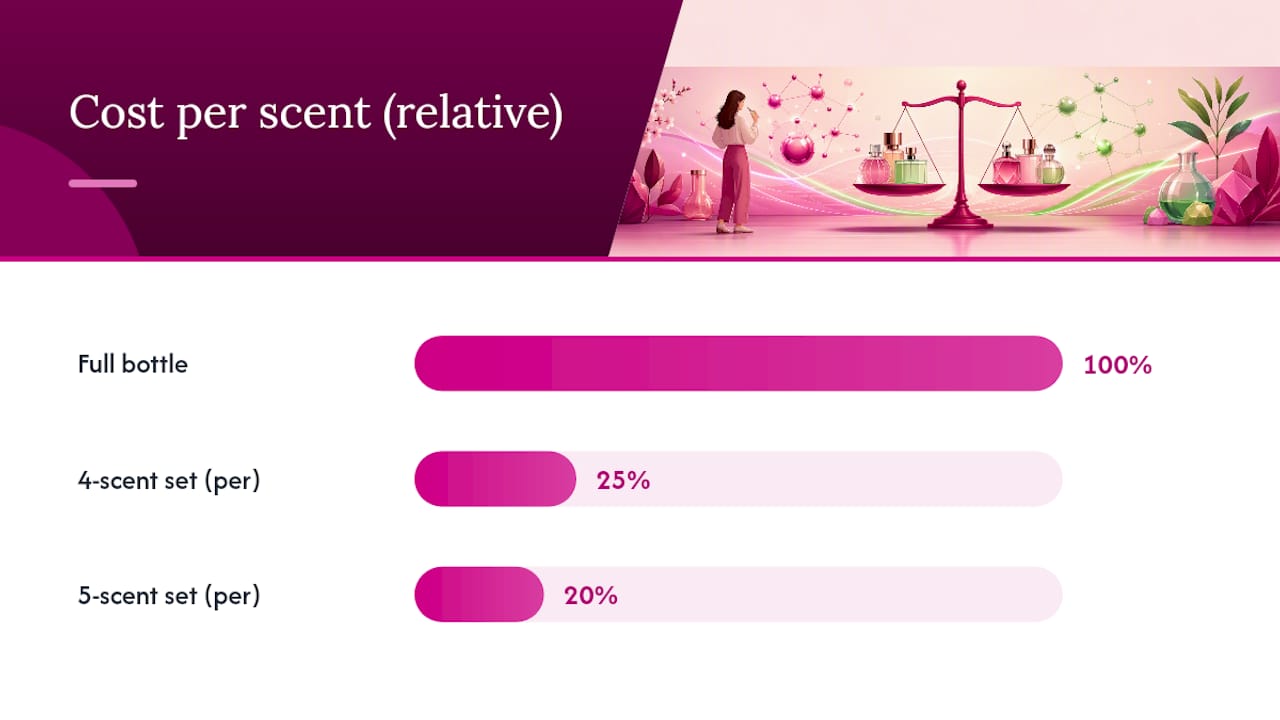
Discovery sets genuinely change the risk calculation here. Testing four or five scents at sample size for the price of one full bottle means a bad reaction costs you almost nothing, compared with discovering an allergy after spending £90 on a bottle you’ll never finish.
What are the alternatives if fragrance still triggers reactions?
Not every reactive skin type tolerates fragrance at any concentration, and that’s worth accepting rather than fighting through repeated bad reactions. Fragrance-free moisturisers remain the most reliable base layer for sensitive skin, since they hydrate without introducing any of the aroma chemicals implicated in irritant or allergic contact dermatitis.
Body mists formulated specifically for sensitive skin sit a step above plain moisturiser but below full perfume in intensity. These typically use a much lower concentration of aromatic compounds diluted into a water or aloe base, which lowers both skin exposure and airborne load considerably compared with an eau de parfum.
Some formulators have gone further still, developing adaptive, low-ingredient formulas designed to respond to individual skin chemistry rather than impose a fixed scent profile. One such approach markets itself as a microbiome-friendly adaptive skin scent, built around a short ingredient list and shorter wear-time specifically to minimise irritation risk for scent-sensitive users.
If you’ve patch-tested several proper fragrances without success, working down through this hierarchy, from body mist to adaptive skin scent to fragrance-free moisturiser, gives you a workable scent routine without repeating the same reaction each time.
How should you store perfume to avoid irritation?
Degraded perfume irritates skin more than fresh perfume does, which surprises most people who assume an old bottle just smells weaker rather than differently.
Heat, light, and air all break down fragrance molecules over time, and the breakdown products are sometimes more reactive on skin than the original compounds. Storing perfume on a sunlit windowsill or in a steamy bathroom accelerates this, shortening a bottle’s usable life from a couple of years to a matter of months.
A few storage habits protect both the scent and your skin:
- Keep bottles in a cool, dark place, ideally a drawer or cupboard away from radiators and direct sunlight.
- Avoid bathroom storage if you can. Humidity and temperature swings from showers speed up degradation noticeably.
- Recap bottles immediately after use rather than leaving them open on a dressing table, since oxygen exposure oxidises fragrance compounds over time.
- Discard any perfume that’s changed colour noticeably or developed a sour, flat smell. That shift usually signals oxidation, and oxidised fragrance is more likely to irritate sensitive skin than a fresh version of the same scent.
Handled well, most perfumes hold their intended formula, and their intended gentleness, for two to three years after opening.
Our take on skin-first fragrance
The conventional advice on sensitive skin and perfume tends to stop at “avoid alcohol” and “patch test first,” which is true but incomplete. What actually matters more is sequencing: testing one variable at a time, in small doses, before you ever combine a new scent with a full day of wear, sweat, and reapplication.
Most people give up on fragrance entirely after one bad reaction, when the real lesson was usually about concentration or format rather than scent itself. An oil-based amber might sit perfectly fine on skin that reacted badly to an alcohol-heavy citrus spray. That’s not a fluke. It’s the mechanism working exactly as the evidence describes.
Our honest priority for anyone with reactive skin: spend on samples before you spend on bottles. It costs less, it tells you more, and it removes the guesswork that causes most of the regretted purchases in this category.
— Rook
Try Rook’s discovery sets before you commit to a bottle
This brand gives you a lower-risk way to find a scent that actually suits reactive skin, without gambling a full bottle price on something untested. The Fragrance Discovery Sample Sets – £20–£30 Voucher Included let you patch-test several unisex, cruelty-free scents at sample scale, then apply the included £20, £25 or £30 voucher (depending on the set) towards a full bottle once you’ve found one your skin genuinely tolerates.
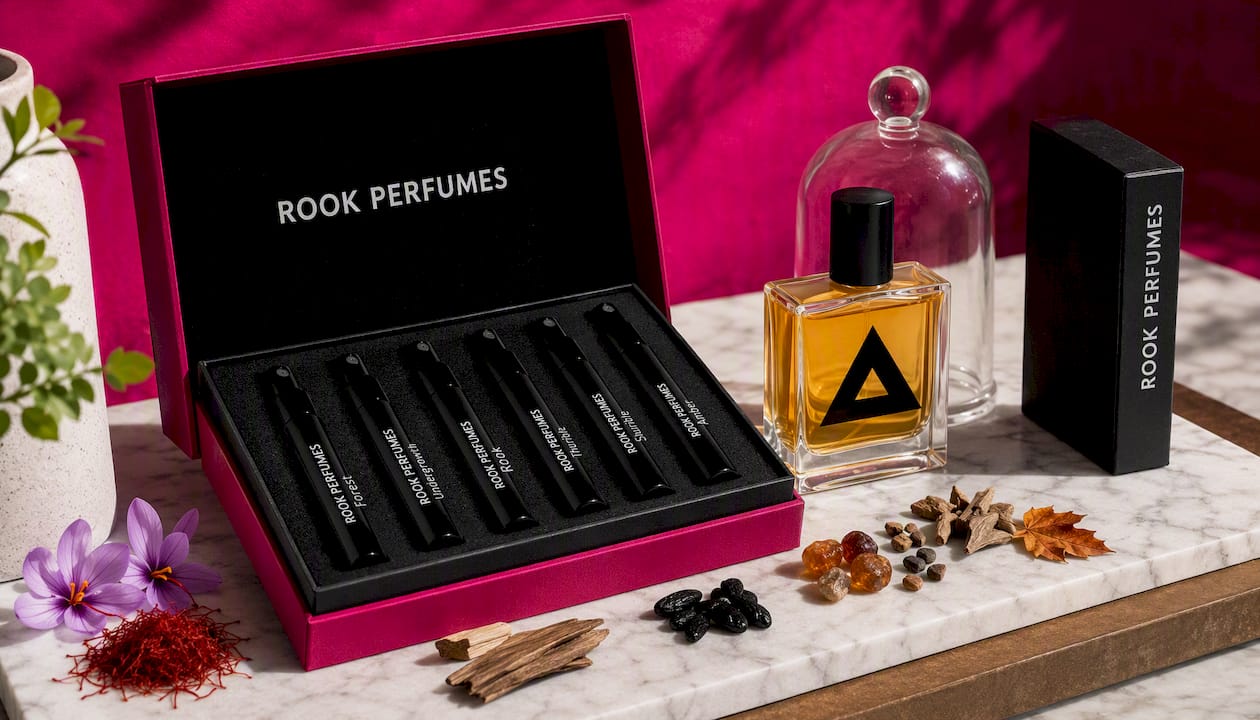
The set works well alongside the staged testing approach covered above: run your 48 hour patch test on each sample, wear the one that clears cleanly for a few days on clothing first, then redeem the voucher against a full bottle such as the Amber Eau de Parfum in Smoky Saffron once you’re confident it suits you. If you have severe asthma or a history of serious allergic reactions, get clinical advice before introducing any new fragrance, sample or otherwise. Explore the Fragrance Discovery Sample Sets and start testing at low risk today.
Sources
This article draws on a peer-reviewed review of fragrance contact allergy and patch testing, industry allergen-screening guidance from Aveeno on hypoallergenic fragrance formulation, and practical selection advice for choosing perfume with breathing or allergy concerns. For broader guidance on sensitive-skin product selection, see this practical guide on avoiding common allergens.
- Fragrance allergy and contact dermatitis (review)
- Sensitive Skin Scents - Hypoallergenic fragrances | Aveeno
- How to choose the right perfume for someone with breathing & allergy issues
0件のコメント