

Niche means a fragrance-only house that prioritises artistic latitude; designer means a fashion or beauty house whose scent line is one product among many. Neither guarantees quality. Choose niche if you want distinctiveness and don’t mind paying more per bottle; choose designer if you want reliable performance and easy repurchasing, following IFRA safety norms that govern both.
TL;DR:
- Many so-called niche fragrances are produced in similar quantities and price ranges as designer scents due to ownership by large conglomerates, blurring category lines.
- Higher concentration and natural ingredients are common in niche perfumes, but synthetic components and less natural sourcing are equally prevalent across both categories.
- Longevity and projection depend more on formulation choices, such as fixatives, than on whether a scent is labeled niche or designer.
- Sampling with discovery sets or decants before purchasing full bottles is essential to avoid costly mistakes and assess how a scent performs on skin over an entire day.
- Price premiums often reflect packaging and branding rather than actual ingredient quality or rarity, so evaluating cost-per-wear provides a more accurate value measure.
Table of Contents
- What is the real difference between niche and designer perfume?
- What are the ingredient and concentration differences?
- How do production scale and distribution differ?
- What are you actually paying for at that price?
- Does niche always perform better than designer?
- How do you choose between niche and designer?
- How can you sample scents without overspending?
- Why Rook’s approach to niche perfumery matters here
- Editorial perspective: buy the bottle, not the label
- Try before you commit: Rook’s sampling route
- Sources
- FAQ
What is the real difference between niche and designer perfume?
The split is structural, not qualitative. A niche fragrance house specialises only in scent, which is precisely what makes niche fragrances distinct as a business model rather than a mark of superiority. Designer houses build fragrance as one line inside a broader fashion or cosmetics empire, where the perfume often supports a handbag range or a ready-to-wear collection.
That business model shapes everything downstream. A perfumer working for a fragrance-only house answers to a smaller, more specialised team, which tends to permit riskier accords and stranger structures. A perfumer working inside a conglomerate answers to a marketing department chasing broad appeal, since designer fragrances get engineered for mass distribution, while niche houses can afford smaller runs and sharper edges.
Here’s the catch: “niche” carries no legal definition. Any brand can print it on a box. Some mass-market lines borrow the word purely for positioning, so judge a house by its actual behaviour, release frequency, batch size, distribution network, rather than by a label alone.
What are the ingredient and concentration differences?
Niche houses often lean on costlier natural materials and higher concentrations, but that’s a tendency worth testing, not a rule worth trusting blindly. Ulta’s guide to niche fragrance makes the same point: better materials show up more often in niche, but plenty of niche releases lean synthetic, and plenty of designer bottles use excellent naturals.
Concentration matters far more than the label. Before trusting an “ingredient quality” claim, ask a few direct questions:
- What concentration is this exactly, EDT, EDP, or extrait?
- Does the brand disclose sourcing for key naturals like oud, iris, or ambergris?
- Has the formula changed recently, and why?
- Is this batch numbered or dated?
A retailer who can’t answer those probably doesn’t know the answer either.
How do production scale and distribution differ?
Small niche houses typically sell through boutiques, their own websites, and a handful of specialist stockists. Designer fragrances flood department stores, airports, and duty-free counters by design, chasing volume that a boutique operation could never match.
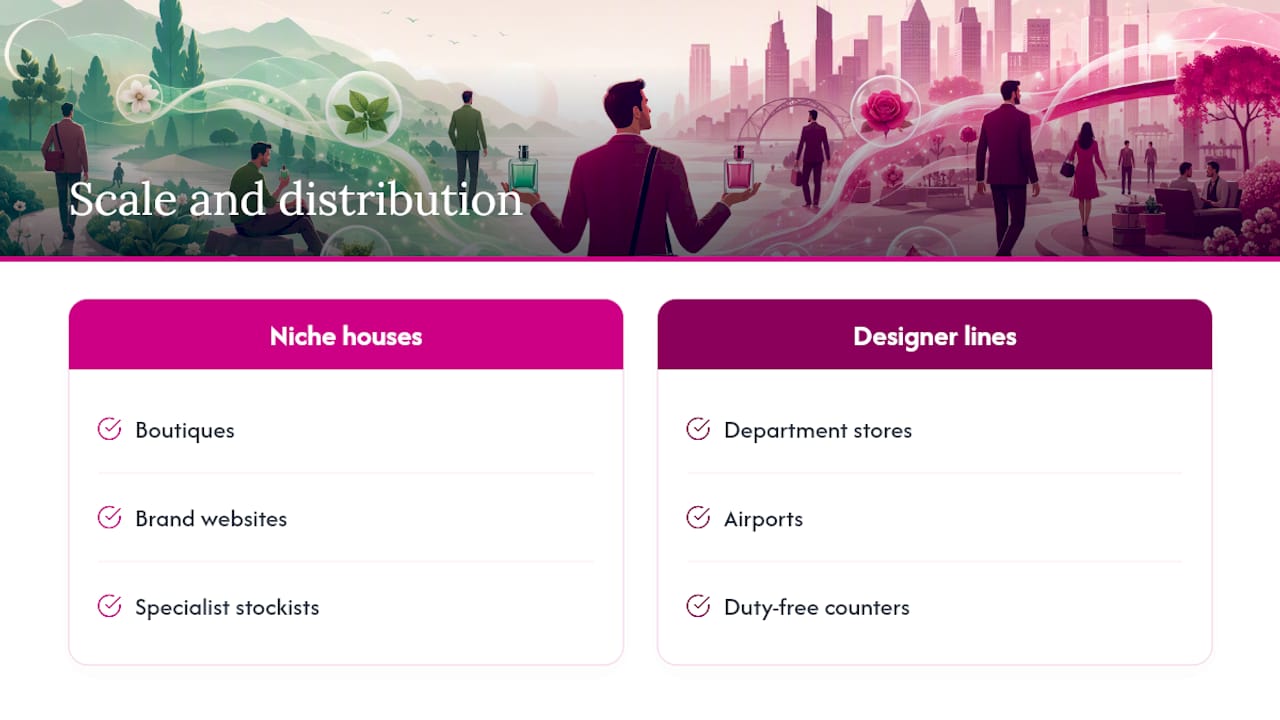
Ownership has muddied this considerably. Large beauty conglomerates now own both mass designer labels and several “niche” houses, and market analysis from 2026 shows commercial-niche lines and designer private blends sitting in near-identical price and availability bands. The word niche increasingly describes packaging and price point rather than genuine independence.
Reformulation tells a related story. Designer lines reformulate more often, partly because IFRA restrictions force ingredient swaps and partly because high-volume production makes cost-cutting tempting. If you love a specific vintage-era designer classic, expect it to have shifted since launch. Niche formulas change too, just less frequently, since smaller batches face less pressure to substitute cheaper materials.
What are you actually paying for at that price?
Four things drive a fragrance’s price tag: raw materials, concentration, bottle and packaging, and boutique overhead. A heavier glass bottle, a hand-finished cap, or a flagship store on a expensive street all get baked into the retail price before the juice inside matters at all.
Cost-per-wear is the more honest way to judge value. A £150 bottle that lasts eight hours and gets four sprays per wear works out cheaper over a year than a £60 bottle needing constant reapplication. Do the sum before assuming the bigger number means the better deal.
A high price is defensible when it reflects genuinely rare materials, real Grasse-sourced naturals, or small-batch craftsmanship you can verify. It’s likely branding markup when the bottle is elaborate, the backstory is vague, and the brand won’t discuss concentration or sourcing on request. As one comparison piece on the category puts it, price premiums often reflect bottle design and boutique positioning rather than strictly superior ingredients, so ask before you assume.
Does niche always perform better than designer?
No, and this is where most buying guides mislead people. Longevity and projection depend on specific fixatives and formulation choices, not on which shelf a bottle sits on. Comparative analysis of designer and niche performance found that a well-built designer eau de parfum can genuinely outlast a weak niche extrait, because synthetic fixatives like Iso E Super or Ambroxan often anchor a scent longer than delicate naturals alone.
Test any bottle across three stages before deciding. Check the opening burst in the first fifteen minutes, the heart notes after an hour, and the dry-down after four to six hours on skin rather than paper. A fragrance that smells stunning on a card and vanishes within ninety minutes on skin has failed the only test that counts.
How do you choose between niche and designer?
Work through this checklist before you spend a penny:
- Purpose. Everyday office wear favours designer reliability; a signature scent for special occasions can justify niche distinctiveness.
- Budget. Set a per-bottle ceiling and calculate cost-per-wear rather than sticker price alone.
- Distinctiveness. Ask whether you want to smell recognisable or unusual. Niche generally wins on the latter.
- Performance needs. Long workdays or hot climates demand strong projection and longevity, so test before committing.
- Familiarity with the scent family. If you’ve never worn an oud or a heavy chypre, sample before buying full-price.
Before buying from any retailer, confirm the concentration in writing, check the return policy, and verify authorised retailer status directly with the house if the deal looks unusually generous.
Steer clear of vague “niche-inspired” marketing language with no named perfumer or house behind it, and treat steep discounts from unfamiliar third-party sellers as a warning sign rather than a bargain.
Pro Tip: Wear a candidate scent for a full working day before buying the full bottle. Cards and quick sprays in-store tell you almost nothing about how a fragrance behaves against your actual skin chemistry over eight hours.
How can you sample scents without overspending?
Sampling is the single best defence against an expensive mistake, and it costs almost nothing compared to a wasted 50ml bottle.
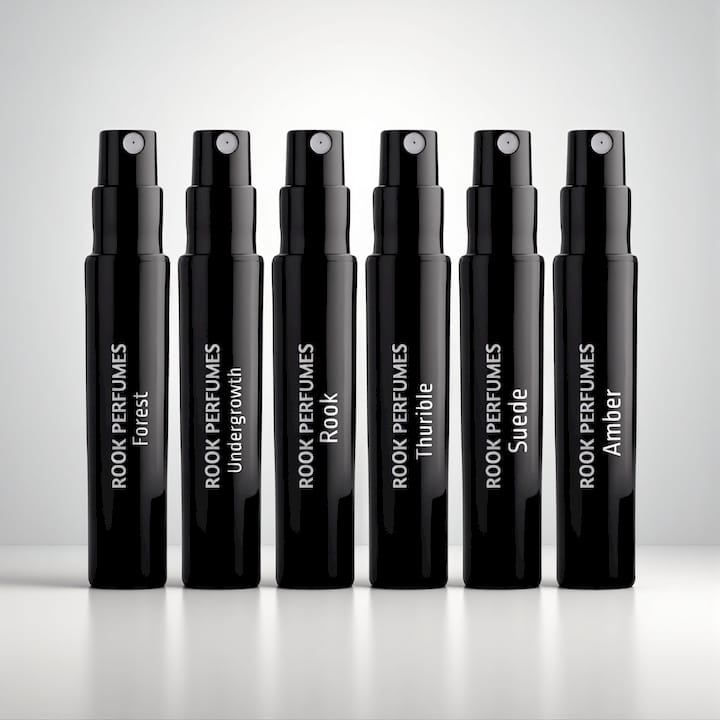
- Start with official discovery sets or decants rather than guessing from a single in-store spray.
- Buy directly from the house or an authorised retailer, since counterfeit niche bottles are common online and rarely smell right.
- Wear each sample across a full day, and in different environments, an air-conditioned office behaves very differently to a warm evening outdoors.
Sampling before committing genuinely reduces buyer’s remorse, and one pragmatic approach worth borrowing is using cheaper “inspired by” scents to learn which style you gravitate towards, then sampling the authentic niche version before spending full price.
Why Rook’s approach to niche perfumery matters here
Every fragrance is built as a cruelty-free, unisex, memory-inspired scent, made in small batches rather than mass runs. That structure sits at the sustainable, independent end of the niche category this guide has been describing, not the borrowed-label end.
Our discovery sets exist precisely because sampling reduces risk. You test a scent properly, across a full day, before ever committing to a full bottle. That’s the same logic this entire article has argued for. It’s worth reading how the beauty industry’s marketing patterns shape which houses call themselves niche in the first place, if you want to see the wider picture we’re pushing back against.
Editorial perspective: buy the bottle, not the label
Niche earns its premium when a house genuinely takes creative risks and sources real, verifiable materials, not merely when the packaging looks expensive. Designer wins when you want dependable performance and easy repurchasing without hunting a boutique. Do the cost-per-wear maths honestly. Sample before you spend, always, regardless of which category the bottle claims to belong to.
— Rook
Try before you commit: Rook’s sampling route
Guessing at full price is the most expensive way to find a signature scent. Sample-first buying lets you test fragrances at a fraction of full-bottle cost, then commit only once you know a scent survives a full working day on your skin.
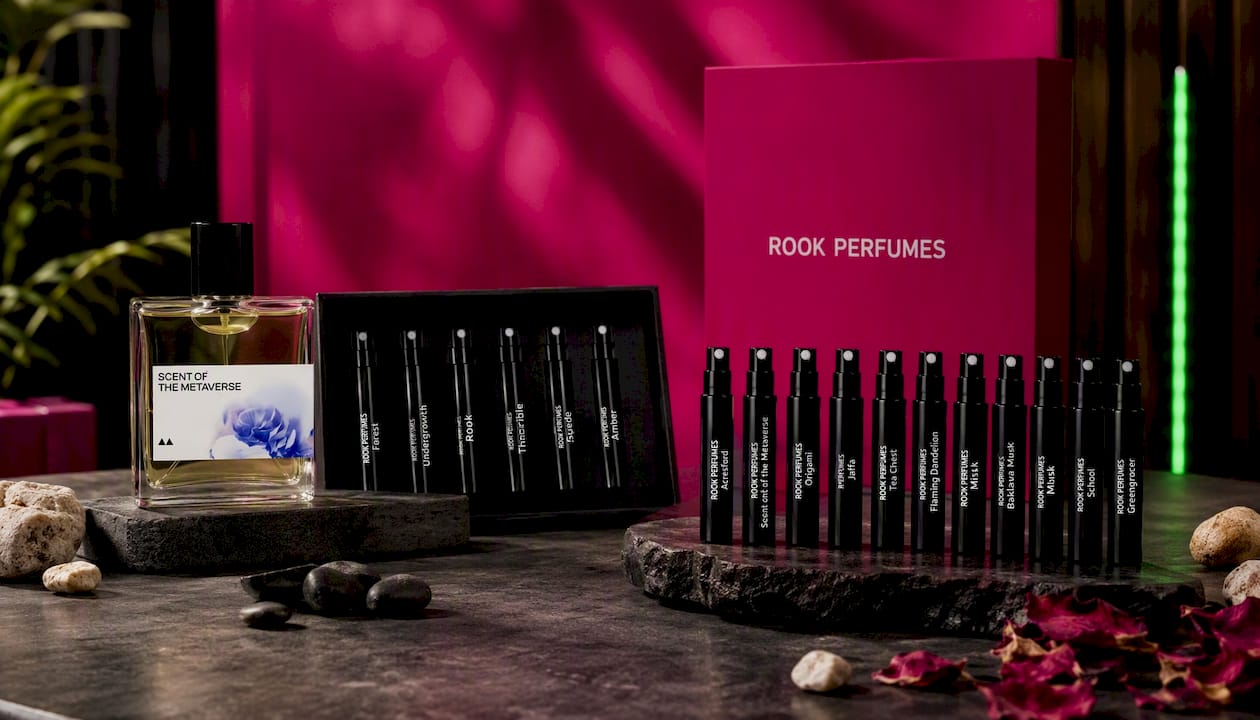
Three routes suit different stages of curiosity. The Fragrance Discovery Sample Sets come with a £20, £25 or £30 voucher (depending on the set) towards your next full bottle, ideal for a first exploration across our range. The Enthusiast Set carries a £25 voucher and suits readers ready to compare several scent families side by side before narrowing down a favourite. And for collectors drawn to concentrated, story-led releases, the Scent of the Metaverse: Verse 1 Extrait offers a genuine extrait-strength example of what independent, memory-inspired perfumery can do at full concentration.
Start with a discovery set, wear it properly, and decide with actual evidence rather than a guess.
Sources
- What Is A Niche Fragrance? A Fragrance Guide 2026 — The Beauty Radar
- Designer vs Niche Fragrance (2026) — Is Niche Actually Worth It? | Top Note Co
- What is a niche fragrance | Ulta Beauty
- Niche vs Designer Perfume: Is Niche Worth It UK 2026 - ScentVerdict
FAQ
Are designer fragrances better than niche fragrances?
Neither is inherently better. Niche houses often take more creative risks and use costlier materials, but designer eau de parfums can outperform weaker niche extraits on longevity, since fixative choices matter more than the label.
Is Dior designer or niche?
Dior is a designer fashion house whose fragrance line sits alongside its couture and accessories business, making it firmly designer by structure. Some of its rarer Maison Christian Dior collection releases borrow niche-style pricing and distribution, but the parent business model remains designer.
Is Jo Malone a niche or designer?
Jo Malone began as an independent fragrance house before being acquired by a major beauty conglomerate, which now distributes it widely through department stores. That ownership and distribution pattern places it closer to commercial niche territory, illustrating exactly how conglomerate ownership blurs category lines.
Is Louis Vuitton perfume niche or designer?
Louis Vuitton’s fragrance line operates within a fashion house whose primary business is leather goods and ready-to-wear, making it structurally designer despite its boutique-only distribution and premium pricing. The scarcity and price point mimic niche positioning, but the underlying business model is designer.
How do I sample fragrances affordably before buying a full bottle?
Discovery sets and decants let you test several scents for a fraction of full-bottle cost, wearing each across a full day before deciding. Rookperfumes’ discovery sample sets include a voucher towards your eventual full-size purchase, which offsets the sampling cost entirely.
Komentarze: 0